Every child has the fundamental right to a childhood free from fear.
In many parts of the world, safety is something that is taken for granted. But for children living in refugee settlements and marginalized host communities, safety is often a daily challenge. In Kakuma and the wider Turkana region, children face unique vulnerabilities—from the risks of displacement and poverty to the threats of exploitation and abuse.
At Joyview Child Network (JCN), we believe that protection is the foundation of all other progress. A child cannot learn effectively, play freely, or dream boldly if they do not feel safe.
That is why our Protection & Safety Program is at the heart of everything we do. Here is a deep dive into how we are championing child rights, preventing abuse, and creating physical sanctuaries for our youth.
1. Promoting Child Rights: Empowerment Through Knowledge
The first step in protection is awareness. Many violations of children’s rights occur simply because communities—and the children themselves—are unaware of what those rights are.
We conduct regular Rights Awareness Workshops in schools and community centers.
- For Children: We teach them that they have a right to education, a right to say “no” to unwanted touch, and a right to be heard. We use art, drama, and storytelling to make these complex legal concepts easy to understand.
- For Parents & Leaders: We engage local chiefs, religious leaders, and parents in dialogues about the Kenyan Children’s Act and international protection standards. When the guardians of the community understand the law, they become the strongest defenders of their children.
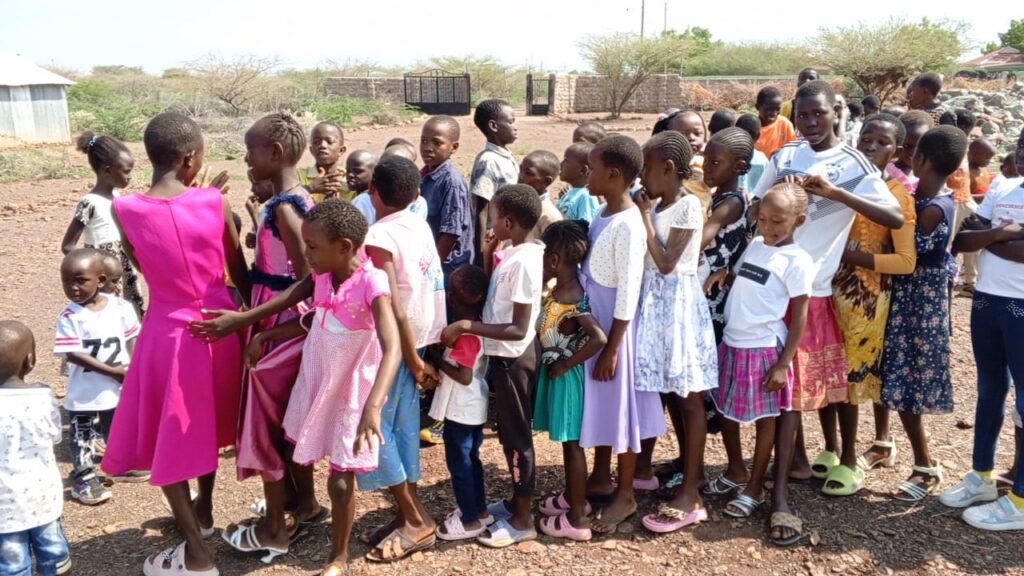
2. Preventing Abuse Before It Happens
Reaction is necessary, but prevention is vital. JCN works tirelessly to identify the root causes of abuse and neglect in our community.
We utilize a Community-Based Protection approach. This means we don’t just come in as outsiders; we work with “Nyumba Kumi” (community policing) leaders and school heads to identify at-risk children early.
Whether it is a child showing signs of withdrawal in school or a family struggling with extreme poverty that might lead to child labor, our volunteers are trained to spot the red flags. We provide counseling, family mediation, and referrals to legal or medical partners when necessary, stopping the cycle of abuse before it causes irreversible harm.
3. Creating Safe Spaces: A Sanctuary to “Just Be a Child”
Perhaps the most visible part of our program is the creation of Safe Spaces.
In a crowded environment, finding a quiet, secure place to play or study can be impossible. JCN has established designated safe zones where children can retreat from the pressures of their daily lives.
What happens in a JCN Safe Space?
- Psychosocial Support: Trained mentors and counselors are available to talk to children who are dealing with trauma or stress.
- Structured Play: We believe in the therapeutic power of play. Our spaces are equipped with games, sports equipment, and art supplies.
- Peer Support: It is a place where children from the refugee community and the host community mix freely, breaking down barriers and building friendships based on mutual respect.
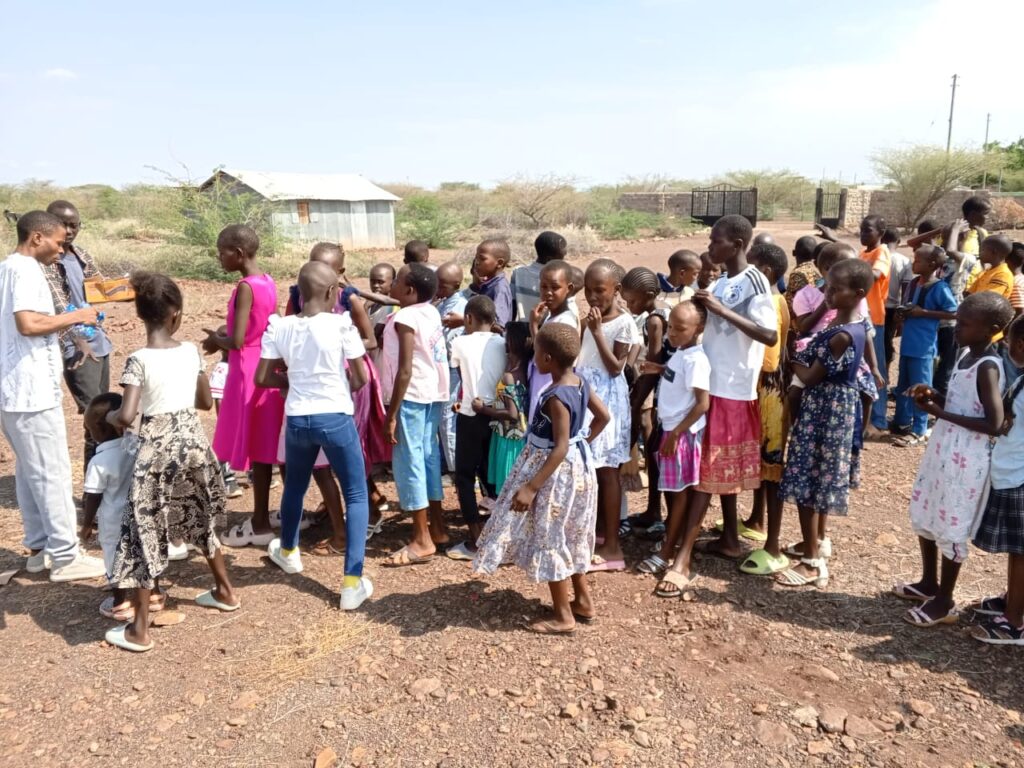
The Ripple Effect of Safety
When a child feels safe, the transformation is visible.
- Attendance improves: They are more likely to stay in school.
- Confidence grows: They speak up more in class and in their families.
- Health stabilizes: Reduced stress leads to better physical and mental health.
How You Can Help Protect a Child
Creating a safe environment requires resources. From training volunteer counselors to maintaining our safe centers, your support keeps this program alive.
- Advocate: Share this post and help spread the word about child rights.
- Volunteer: If you have a background in counseling or social work, your skills are needed here.
- Donate: Your contribution helps us purchase play materials, train mentors, and keep our safe spaces open for the children who need them most.
Together, let’s ensure that every child in Kakuma knows they are valued, protected, and loved.